Konduct is the ultimate solution for all thermal management challenges

THERMAL CONDUCTIVITY

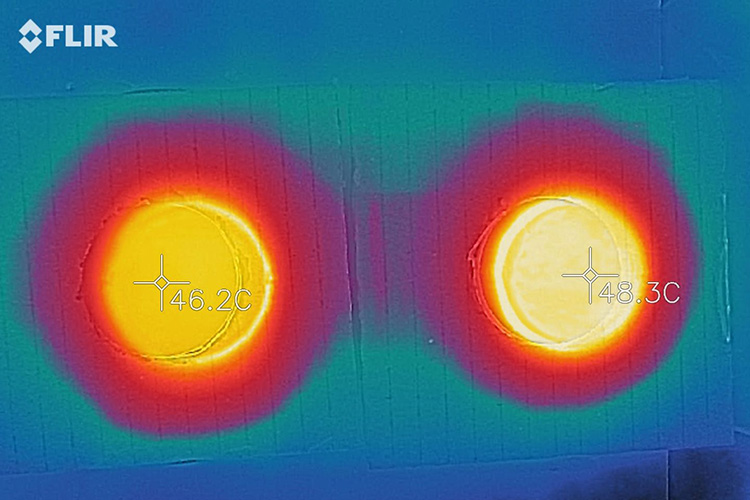
Introducing KONDUCT – A range of thermally conductive polymer compounds to solve all your thermal management challenges. KONDUCT can assist from design, prototype production, material testing (mechanical, physical and importantly thermal conductivity), through to full production of final compound.

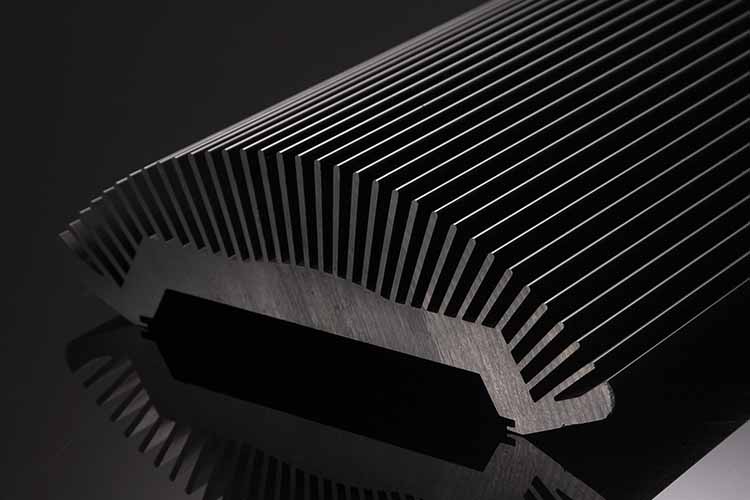
Common applications include heat sinks for electronic devices and LED lights, geothermal pipes, thermally conductive pads, battery cooling systems among many others. In the automotive industry in particular, KONDUCT technology becomes an essential component. Fuel emissions are an ever-growing concern, and as a result we are seeing a significant rise in both hybrid and electronic vehicles hitting the roads. One of the key factors that plays a role in high emission rates is the weight of the vehicle itself. That’s where KONDUCT comes in. We are able to design bespoke thermally conductive compounds for your lightweight polymer components like battery housings and cooling systems, to ensure that all thermal management challenges are met.

In typical thermal management situations across all industries, materials such as metals and/or ceramics are traditionally utilised. The ability to use plastics and elastomers in such scenarios allow their additional benefits to be taken advantage of, for example lower weight, resistance to corrosion, toughness and ease/speed of manufacture. In many thermal management situations, most of the heat transfer is typically convection limited (free air cooling). In such cases, the convection can create a bottleneck and the high thermal conductivity of metals, for example, is unnecessary. A well designed thermally conductive polymer can potentially keep up with the convection rate and perform equally as well.

Chris Vince, Research & Development Manager for KONDUCT, had this to say: “Being able to utilise polymers for thermal management solutions offers proven benefits over traditional materials such as metals. At KONDUCT we have developed extensive knowledge of the various additive systems suitable for boosting thermal conductivity of polymer compounds. With this core knowledge and our extensive test facilities, we are able to support the development and production of polymer compounds for all thermal management challenges. This understanding is key to successful developments, as we are able to fully consider and characterise not just thermal conductivity but also processability, mechanical performance and costs.”

If you are currently looking for a heat management application for your polymer compound products, please contact Chris Vince at chris@radicalmaterials.com or call us on 01495 211400.

  • All
  • ANTI-VIRAL
  • ANTIBACTERIAL
  • ANTIMICROBIAL
  • FEATURED
  • KONDUCT
  • METAL DETECTABLE
  • PAINTS & COATINGS
  • PLASTICS
  • POLYKETONE
  • RUBBER
  • SILICONE
  • TECHNICAL
  • THERMAL CONDUCTIVITY
  • UVC TESTING
  • X-RAY DETECTABLE
All
  • All
  • ANTI-VIRAL
  • ANTIBACTERIAL
  • ANTIMICROBIAL
  • FEATURED
  • KONDUCT
  • METAL DETECTABLE
  • PAINTS & COATINGS
  • PLASTICS
  • POLYKETONE
  • RUBBER
  • SILICONE
  • TECHNICAL
  • THERMAL CONDUCTIVITY
  • UVC TESTING
  • X-RAY DETECTABLE
Antimicrobial polyketone combats e. coli in food processing environments

Antimicrobial polyketone masterbatch for food processing & water applications

Radical Materials has developed an antimicrobial polyketone masterbatch for food processing, water and fluid-handling applications. Tested at 5°C, the technology delivers >99.99% antibacterial efficacy while ...
READ MORE +
Why Thermal Conductivity Alone Doesn’t Tell You Whether a Thermally Conductive Plastic Will Work

Why Thermal Conductivity Alone Doesn’t Tell You Whether a Thermally Conductive Plastic Will Work

When somebody approaches us looking for a thermally conductive polymer, the starting point is often a target thermal conductivity: 2 W/mK, 5 W/mK, 10 W/mK ...
READ MORE +

Why Polymer Development Should Start with the Application, Not the Additive

We regularly receive enquiries that begin with a request for a particular additive. “We need an antimicrobial additive for polypropylene.” “Can you supply something to ...
READ MORE +
white polyketone

Introducing An Unprecedented Pure White Polyketone & overcoming challenges with POM

In the world of engineering polymers, Polyketone (PK) and Polyoxymethylene (POM) are celebrated for their toughness and stability. This month, we are highlighting several breakthrough ...
READ MORE +
Transparent antimicrobial PVC

Antimicrobial PVC Strip Curtains: How to Maintain Clarity and Transparency

Antimicrobial additives have long been employed in PVC strip curtains for use in hygiene sensitive areas including food processing, clean rooms and pharma.
READ MORE +
Radical's z-blade mixtruders produce x-ray & metal detectable silicone & rubber masterbatches & compounds

X-Ray & Metal Detectable Silicone and Rubber for Food Processing Equipment

Detectable properties are often associated with plastic consumables in the food processing industry, required typically in items such as pens and clipboards. In food safety ...
READ MORE +
3D printed x-ray & metal detectable nylon ice cream extruder

3D Printing with X-Ray & Metal Detectable Nylon for Food Processing Components

In order to prevent plastic foreign body contaminants, components utilised on food production lines are frequently made from x-ray or metal detectable nylon. While these ...
READ MORE +

Choosing a Metal Detectable Masterbatch: 4 Things You Need to Consider

It is important to consider several key areas when specifying a metal detectable masterbatch for use in injection moulding and extrusion of detectable polymer products.
READ MORE +
food production equipment using x-ray detectable plastics

Metal Detectable Plastics: Why Detectability and Mechanical Strength Both Matter

Metal & x-ray detectable plastics allow any products which are made from plastics/polymers to be enhanced in terms of their ability to be detectable by ...
READ MORE +
white antimicrobial masterbatch

What Is an Antimicrobial Masterbatch and How Does It Work?

An antimicrobial masterbatch is a mixture of antimicrobial additives that are compounded into a suitable polymer carrier and formed into pellets. This antimicrobial polymer masterbatch ...
READ MORE +
Transparent antimicrobial PVC

Antimicrobial PVC: Why Achieving Good Performance Is More Complicated Than It Looks

Antimicrobial PVC has many applications, but good efficacy is only achieved through the use of additives, since PVC is not inherently antimicrobial.PVC, a versatile polymer, ...
READ MORE +
measuring effect of antimicrobial additives on tensile strength

Choosing an Antimicrobial Additive for Plastics: 6 Essential Considerations

When selecting antimicrobial additives for use in a polymer, there are six key issues that should be carefully considered in order to ensure optimum results.
READ MORE +
x-ray of food containing contaminant made from x-ray detectable plastics

Metal & X-Ray Detectable Plastics: What Food Contact Regulations Apply?

When employing metal or x-ray detectable plastics, it is important to consider the regulations & standards applicable to the country in which the end products ...
READ MORE +
food production equipment using x-ray detectable plastics

What Can Metal & X-Ray Detectable Plastics Be Used For?

Metal & x-ray detectable plastics allow any products which are made from plastics/polymers to be enhanced in terms of their ability to be detectable by ...
READ MORE +

Why Use Metal & X-Ray Detectable Plastics in Food Processing?

X-ray & metal detectable plastics will signifcantly reduce the likelihood of plastic foreign body contaminants in food processing lines.
READ MORE +